Mi, 1. Mai – Fr, 3. Mai 2024
CD-Aufnahme
Sa, 4. Mai 2024, 20 Uhr – Karlsruhe/Durlach, Stadtkirche
Im Rahmen der 23. Durlacher Orgelnacht
Alexandre Bytchkov, Akkordeon; Dr. Elke Voelker, Orgel
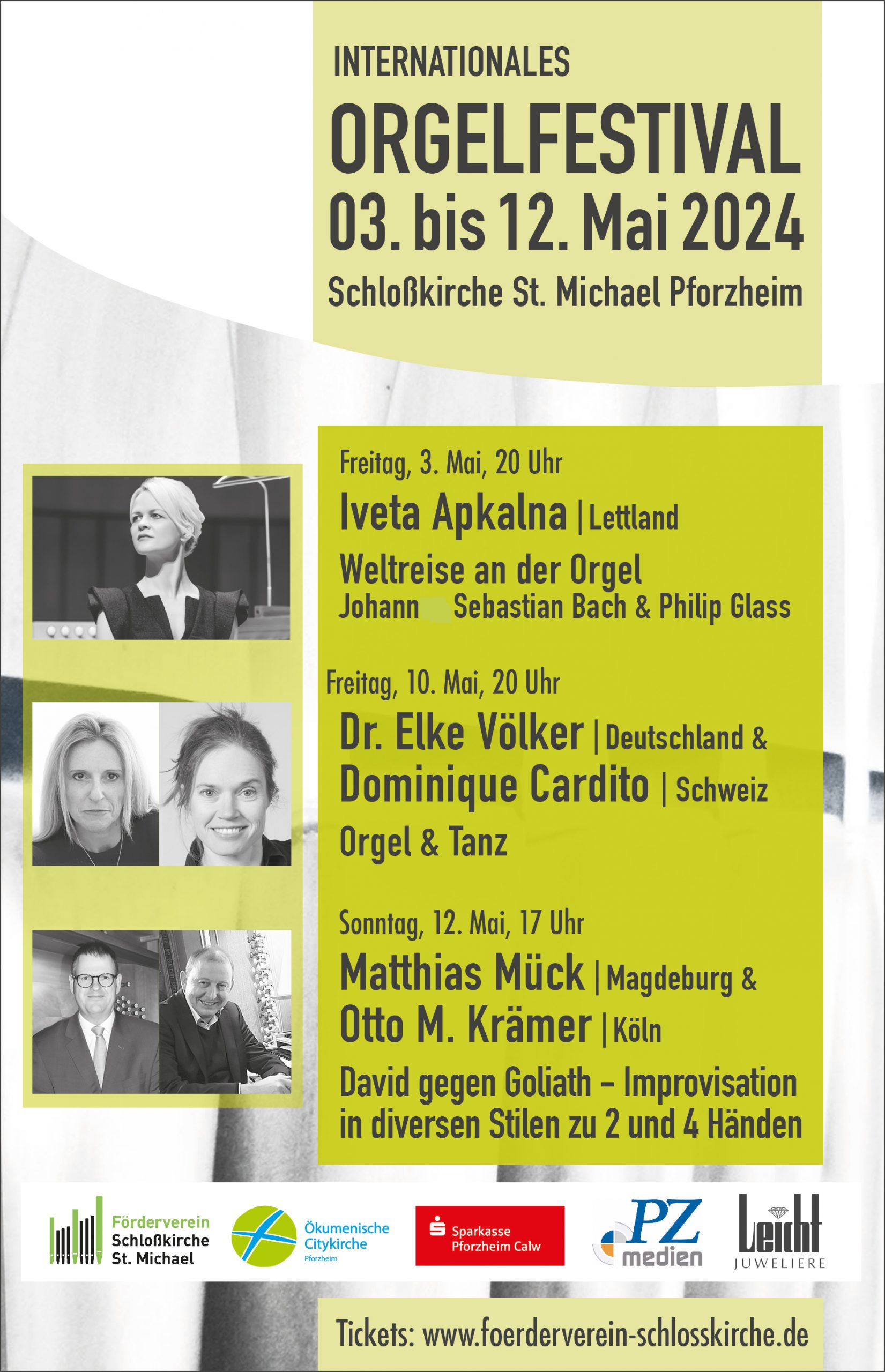
Fr, 10. Mai 2024, 20 Uhr – Pforzheim, Schloßkirche
Internationales Orgelfestival Pforzheim
Dominique Cardito (Basel), Tanz; Dr. Elke Voelker, Orgel
Plakat
Diverses
„österreichisches orgelforum“, Nr. 28, November 2023 
Vorstellung der Karg-Elert-Edition von Dr. Elke Voelker (Label AEOLUS)
durch Prof. Peter Planyavsky. Hier geht’s zur PDF.
Radio Klassik Stephansdom
Die Karg-Elert CD-Edition von Elke Voelker (Label AEOLUS) ist Teil der 200. Orgelsendung „Hauptwerke und Positive“ mit und von Prof. Peter Planyavsky. Sonntag, 15. Oktober, 14:00. Wiederholung: Freitag, 20. Oktober, 20 Uhr.
Zur Sendung.
26. Mai 2023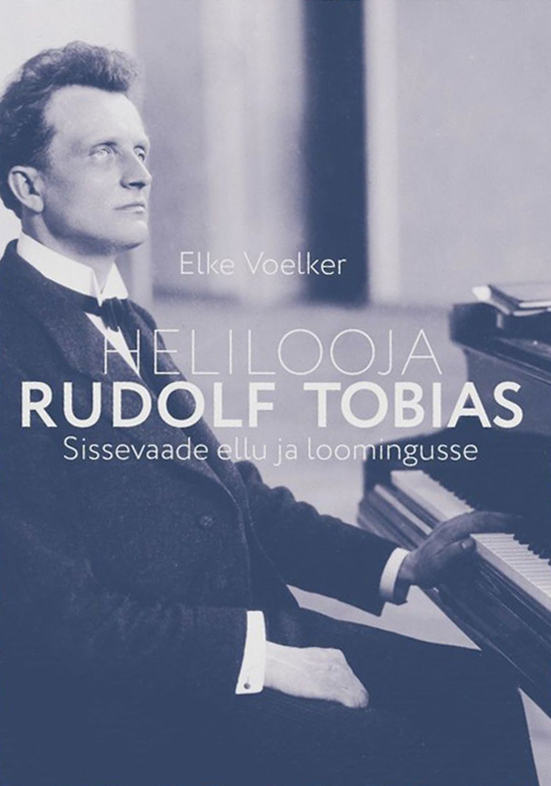
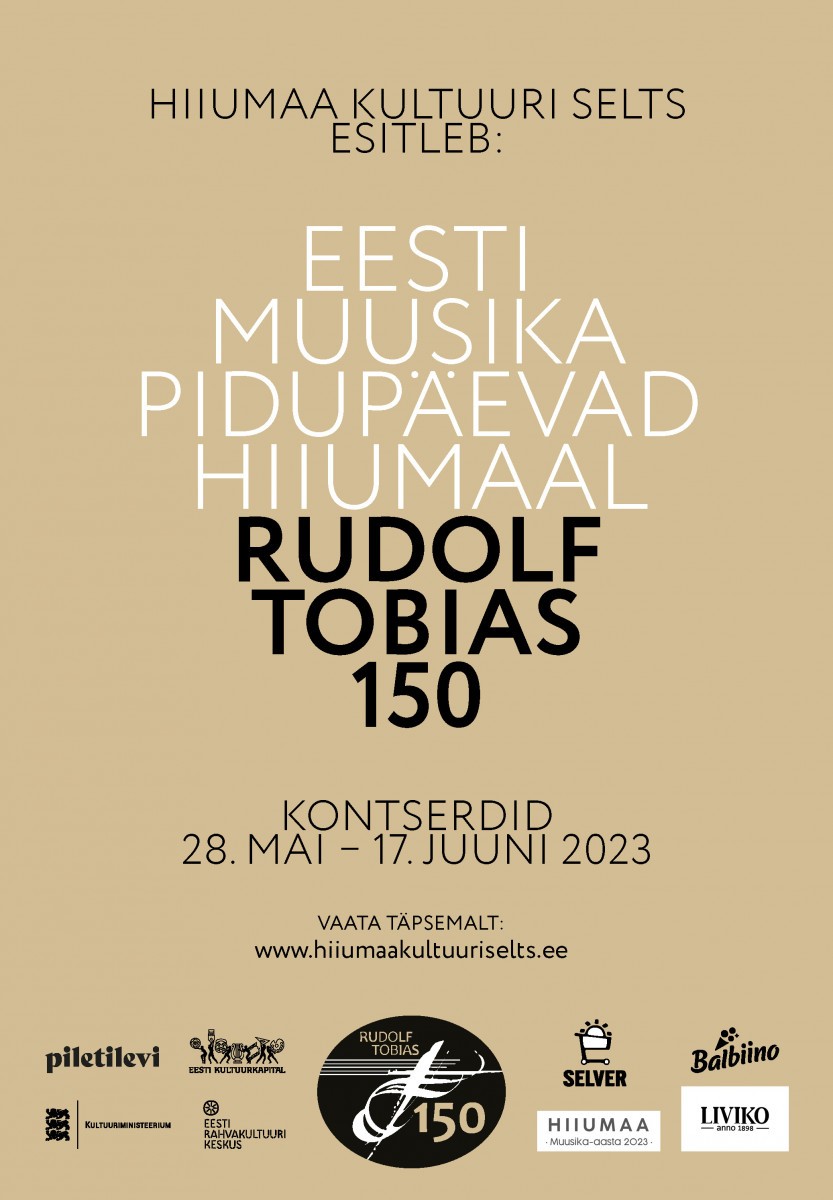
Interview in der estnischen Musikzeitschrift MUUSIKA zur Buchveröffentlichung.
Zum Artikel.
3. April 2023
Radio Organroxx.com –  Happy Birthday Elke Voelker!
I am proud to announce that on my birthday tomorrow, Radio ORGANROXX will be broadcasting my recordings 24 hours: Mixed program from Speyer Cathedral, works by César Franck from Bonsecours/Rouen (F) and all 8 volumes of my Karg-Elert recordings. Check it out on organroxx.com or on: radio.de
Pipedreams.org – 200 Jahre César Franck
Die César Frack Einspielung von Elke Voelker (Label AEOLUS) ist Teil zweier Sendungen von Michael Baron im November 2022: Franck Intense und Speaking Franckly
Radio Klassik Stephansdom
Die Karg-Elert CD-Edition von Elke Voelker (Label AEOLUS) ist Teil der Orgelsendung „Hauptwerke und Positive“ mit und von Prof. Peter Planyavsky im April, August und Dezember 2022.
Presse-Interview zum Jahr der Orgel
„Menschliche Resonanz ist pures Glück“ – Mannheimer Morgen, 27. Januar 2021
SWR2 Treffpunkt Klassik – Interview
Zur Eröffnung der Themenwoche „Orgel“ am Montag, den 11.1.2021 ist Elke Voelker  Interview-Gast bei Martin Hagen. Das Musikgespräch zum Nachhören finden Sie hier oder auf swr.de .